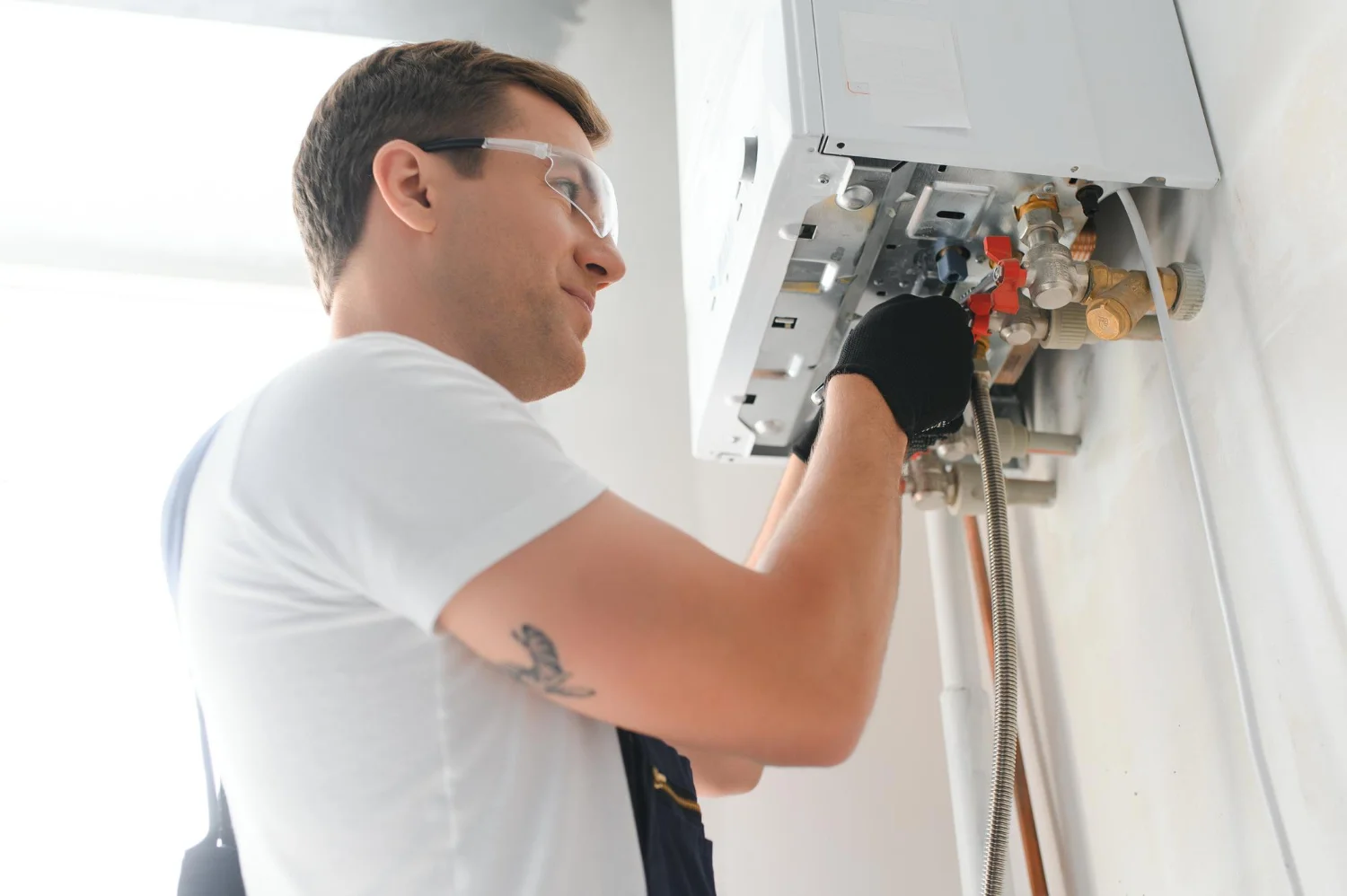
Is It Time to Upgrade to a High Efficiency Boiler?
Your boiler works quietly in the background, keeping your home warm and providing hot water on demand. But when should you consider upgrading to a high efficiency model? If your current system is over a decade old, you might be wasting energy and money without realising it.

Why you can trust our content
We understand that the roofing industry can be confusing, with plenty of outdated or misleading information. That’s why we rely only on trusted, proven sources to guide our advice and installations:


At a glance
Modern condensing boilers can achieve efficiency ratings of 90% or higher, compared to older models that may operate at just 60-70%. This difference translates to real savings on your energy bills and a reduced carbon footprint. In this guide, we’ll explore the key signs that indicate it’s time for an upgrade and help you understand the genuine benefits of investing in a high efficiency boiler.
If you’d like expert guidance on whether an upgrade is right for your home, our team can assess your current system and provide tailored recommendations.
What Makes a Boiler High Efficiency?
High efficiency boilers are condensing models designed to extract maximum heat from the fuel they burn. Unlike older non-condensing boilers that allow hot gases to escape through the flue, condensing boilers capture this waste heat and use it to preheat cold water entering the system.
This process is what gives modern boilers their impressive efficiency ratings. All new boilers fitted in the UK must be condensing models as mandated by building regulations. They’re equipped with larger heat exchangers and advanced controls that optimise performance whilst minimising waste.
The ErP (Energy-related Products) rating system helps you identify the most efficient models. A-rated boilers represent the highest efficiency, whilst G-rated boilers are the least efficient. If your current system falls into the lower categories, upgrading to an A-rated model could significantly reduce your energy consumption.
How Old Is Your Current System?
Age is one of the most reliable indicators that it’s time to consider an upgrade. Most boilers have a lifespan of 12-15 years, though some may continue functioning beyond this point. However, continued operation doesn’t mean continued efficiency.
As boilers age, their components wear down and efficiency naturally declines. Seals can perish, heat exchangers can develop scaling and the overall performance deteriorates. You might not notice these changes immediately, but they’ll be reflected in gradually increasing energy bills and more frequent repairs.
If your boiler in Barry is approaching or exceeding 15 years old, it’s worth having a professional assessment. Even if it’s still working, the potential savings from a new high efficiency model could offset the cost of combi boiler installation within a few years.
Beyond age, consider how heating technology has advanced. A boiler fitted 15 years ago lacks the smart controls, modulating burners and advanced diagnostics found in modern systems. These features don’t just improve efficiency – they make your heating system more responsive and easier to manage.
It just takes 60 Sec
And then you can book a free consultation
Are Your Energy Bills Gradually Increasing?
One of the most frustrating signs of declining boiler efficiency is the steady creep of energy costs. If your usage patterns haven’t changed but your bills continue rising, your boiler may be working harder to deliver the same results.
Older systems often cycle on and off more frequently as they struggle to maintain the desired temperature. This constant cycling wastes energy and puts additional strain on components. Modern high efficiency boilers use modulating technology that adjusts the flame intensity to match demand, maintaining consistent temperatures whilst using less fuel.
Keep an eye on your energy bills over several months. If you notice an upward trend that can’t be explained by tariff increases or usage changes, your boiler’s declining efficiency could be the culprit. Track your consumption in kilowatt-hours rather than just the total cost to get a clearer picture.
During a recent project in the Vale of Glamorgan, a homeowner was spending considerably more on heating than expected for their property size. After fitting a new A-rated combi boiler, they noticed an immediate reduction in their monthly bills and more consistent heating throughout their home.
Will a New Boiler Really Save You Money?
The financial case for upgrading depends on several factors, including your current boiler’s efficiency, your household’s heating demands and energy prices. However, the potential savings can be substantial.
Upgrading from a G-rated boiler to an A-rated model could reduce your heating costs by 30% or more. Even moving from a D-rated to an A-rated system can deliver meaningful savings. For an average home, this might translate to several hundred pounds per year in reduced energy bills.
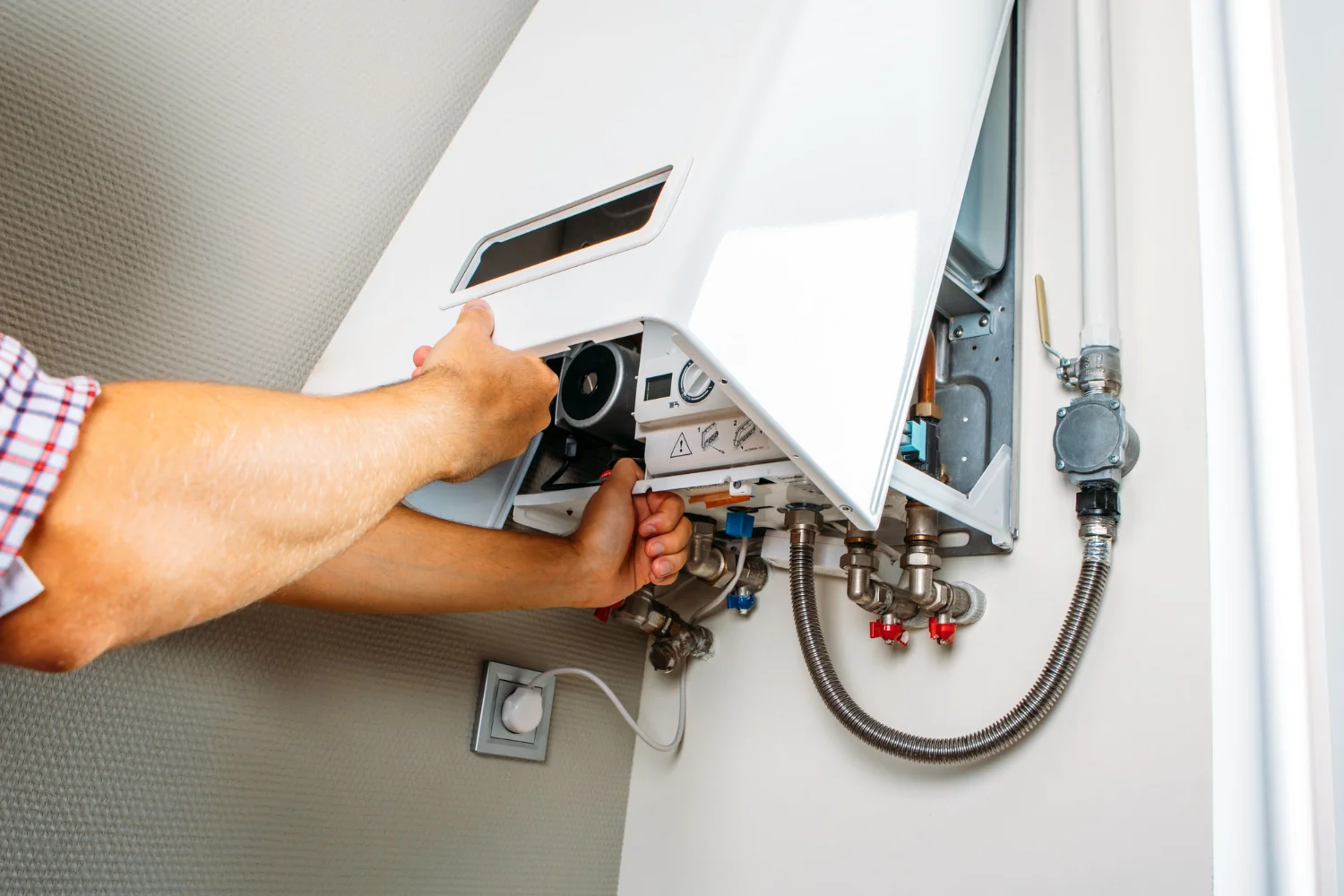
Beyond the immediate savings, consider the reduced maintenance costs. New boilers come with manufacturer warranties and are far less likely to require expensive repairs. You’ll also benefit from improved reliability – no more emergency callouts on cold winter evenings.
Finance options can help spread the cost of a new boiler installation, making the upgrade more accessible without a large upfront payment. This means you can start benefiting from lower running costs immediately whilst paying for the system over time.
What Are the Additional Benefits of Modern Systems?
Energy efficiency is the headline benefit, but modern boilers offer much more. Today’s systems are designed with user experience and environmental impact in mind, delivering improvements across multiple areas.
Quieter operation is immediately noticeable. Older boilers often announce their presence with bangs, whistles and constant background noise. Modern condensing boilers run quietly, with advanced burner technology and better insulation reducing operating noise significantly.
Smart compatibility transforms how you interact with your heating. Many new boilers work seamlessly with smart thermostats, giving you precise control from your smartphone. You can adjust settings remotely, create detailed schedules and monitor energy usage in real time.
Space saving is another practical advantage. Contemporary boilers are more compact than their predecessors, freeing up valuable cupboard space. Combi boilers eliminate the need for separate hot water cylinders and header tanks, making them ideal for properties where space is at a premium.
Environmental benefits shouldn’t be overlooked. High efficiency boilers produce fewer carbon emissions per kilowatt of heat generated. As the UK works towards net zero targets, upgrading your heating system is a meaningful contribution to reducing your household’s environmental impact.
How Do You Choose the Right Replacement?
Selecting the appropriate boiler involves matching the system type and capacity to your property’s specific requirements. The three main types – combi, system and heat-only boilers – each suit different situations.
Combi boilers heat water on demand, making them perfect for smaller homes with one bathroom. They’re compact, efficient and eliminate the need for storage tanks. System boilers work with a cylinder to store hot water, suiting medium-sized homes with higher hot water demands. Heat-only boilers are ideal for larger properties with existing cylinder systems.
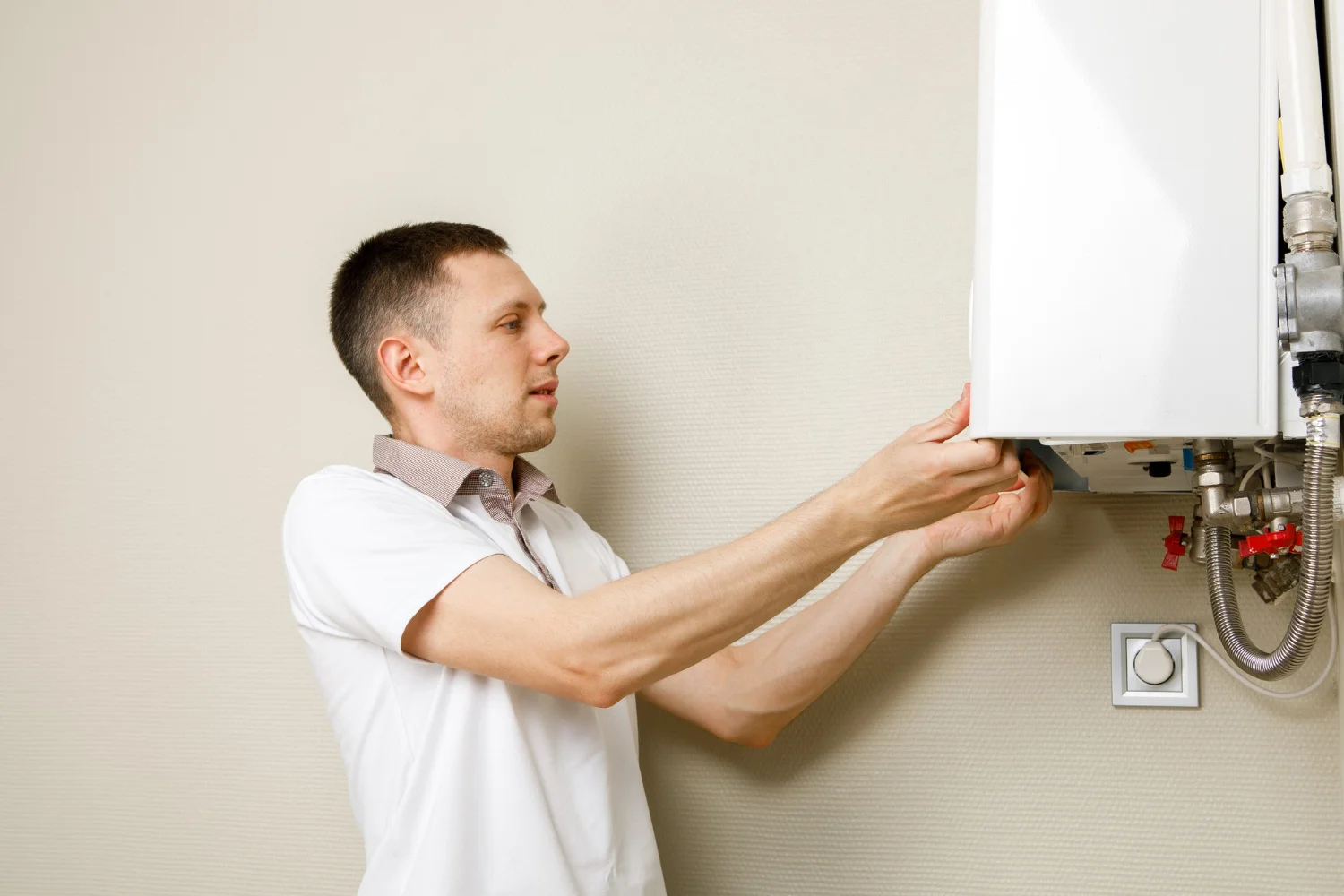
Capacity matters enormously. An undersized boiler will struggle to meet your heating needs, whilst an oversized system cycles on and off inefficiently. A qualified heating engineer will calculate the correct size based on your property’s heat loss, the number of radiators and your hot water usage patterns.
Brand reputation and warranty terms deserve consideration. Established manufacturers like Worcester Bosch, ATAG and Baxi offer reliable products with comprehensive warranties. Your installer’s expertise matters too – even the best boiler will underperform if not fitted correctly.
Speak to a qualified engineer for a home survey and personalised recommendations based on your property and budget.
When Should You Act on an Upgrade?
Timing your boiler replacement can affect both convenience and cost. Waiting for a complete breakdown often means emergency replacement during winter when engineers are busiest and you’re left without heating.
The ideal approach is proactive replacement. If your boiler is approaching 15 years old and showing signs of declining performance, plan the upgrade during spring or autumn. Engineers typically have more availability outside the peak winter season, and you’ll have time to research options and compare quotes properly.
Warning signs that shouldn’t be ignored include strange noises, visible leaks, frequent pressure drops and the pilot light going out repeatedly. A yellow flame instead of blue indicates incomplete combustion and requires immediate attention from a Gas Safe registered engineer.
Consider your household circumstances too. If you’re planning other home improvements or extending your property, coordinating the boiler upgrade can be more efficient. Similarly, if you’re experiencing life changes like a growing family, now might be the time to ensure your heating system can meet increased demands.
Frequently Asked Questions
Upgrading to a high efficiency boiler represents a significant investment in your home’s comfort, running costs and environmental impact. If your current system is over 12 years old, causing reliability concerns or pushing your energy bills higher, the case for replacement becomes compelling.
Modern condensing boilers deliver measurable improvements in efficiency, reliability and user experience. Combined with smart controls and professional installation, they provide a heating solution that should serve your home reliably for 12-15 years.
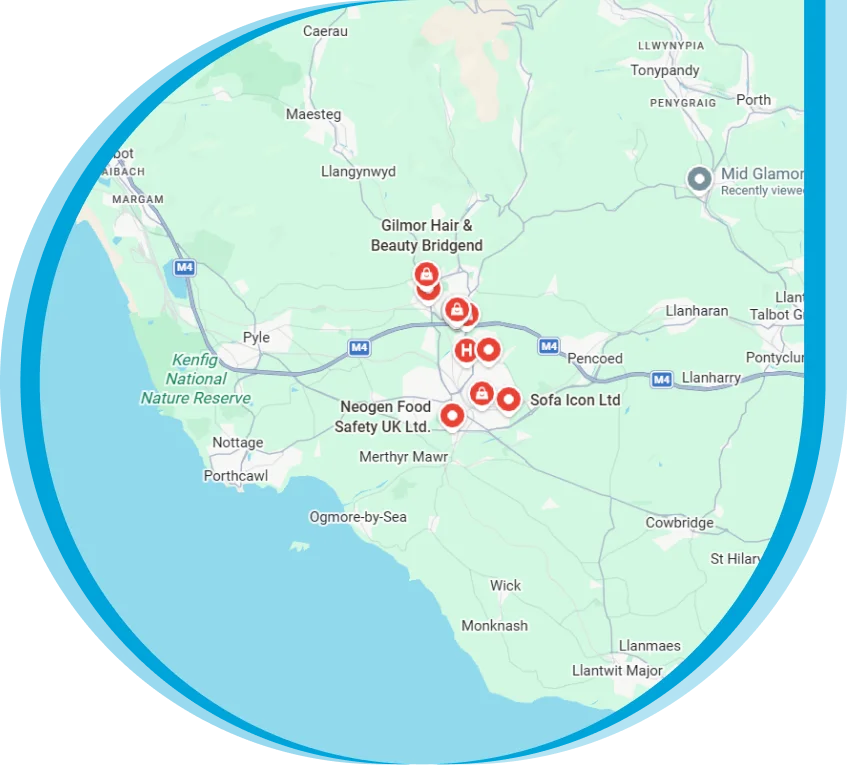
For expert advice on upgrading your heating system in Swansea, Cardiff, Barry or Bridgend, contact Geco Plumbing today. Our Gas Safe registered engineers will assess your current boiler, discuss your requirements and provide honest recommendations with transparent pricing and flexible finance options to suit your budget.
Related articles

At a glance
Modern condensing boilers can achieve efficiency ratings of 90% or higher, compared to older models that may operate at just 60-70%. This difference translates to real savings on your energy bills and a reduced carbon footprint. In this guide, we’ll explore the key signs that indicate it’s time for an upgrade and help you understand the genuine benefits of investing in a high efficiency boiler.
If you’d like expert guidance on whether an upgrade is right for your home, our team can assess your current system and provide tailored recommendations.
What Makes a Boiler High Efficiency?
High efficiency boilers are condensing models designed to extract maximum heat from the fuel they burn. Unlike older non-condensing boilers that allow hot gases to escape through the flue, condensing boilers capture this waste heat and use it to preheat cold water entering the system.
This process is what gives modern boilers their impressive efficiency ratings. All new boilers fitted in the UK must be condensing models as mandated by building regulations. They’re equipped with larger heat exchangers and advanced controls that optimise performance whilst minimising waste.
The ErP (Energy-related Products) rating system helps you identify the most efficient models. A-rated boilers represent the highest efficiency, whilst G-rated boilers are the least efficient. If your current system falls into the lower categories, upgrading to an A-rated model could significantly reduce your energy consumption.
How Old Is Your Current System?
Age is one of the most reliable indicators that it’s time to consider an upgrade. Most boilers have a lifespan of 12-15 years, though some may continue functioning beyond this point. However, continued operation doesn’t mean continued efficiency.
As boilers age, their components wear down and efficiency naturally declines. Seals can perish, heat exchangers can develop scaling and the overall performance deteriorates. You might not notice these changes immediately, but they’ll be reflected in gradually increasing energy bills and more frequent repairs.
If your boiler in Barry is approaching or exceeding 15 years old, it’s worth having a professional assessment. Even if it’s still working, the potential savings from a new high efficiency model could offset the cost of combi boiler installation within a few years.
Beyond age, consider how heating technology has advanced. A boiler fitted 15 years ago lacks the smart controls, modulating burners and advanced diagnostics found in modern systems. These features don’t just improve efficiency – they make your heating system more responsive and easier to manage.
It just takes 60 Sec
And then you can book a free consultation
Are Your Energy Bills Gradually Increasing?
One of the most frustrating signs of declining boiler efficiency is the steady creep of energy costs. If your usage patterns haven’t changed but your bills continue rising, your boiler may be working harder to deliver the same results.
Older systems often cycle on and off more frequently as they struggle to maintain the desired temperature. This constant cycling wastes energy and puts additional strain on components. Modern high efficiency boilers use modulating technology that adjusts the flame intensity to match demand, maintaining consistent temperatures whilst using less fuel.
Keep an eye on your energy bills over several months. If you notice an upward trend that can’t be explained by tariff increases or usage changes, your boiler’s declining efficiency could be the culprit. Track your consumption in kilowatt-hours rather than just the total cost to get a clearer picture.
During a recent project in the Vale of Glamorgan, a homeowner was spending considerably more on heating than expected for their property size. After fitting a new A-rated combi boiler, they noticed an immediate reduction in their monthly bills and more consistent heating throughout their home.
Will a New Boiler Really Save You Money?
The financial case for upgrading depends on several factors, including your current boiler’s efficiency, your household’s heating demands and energy prices. However, the potential savings can be substantial.
Upgrading from a G-rated boiler to an A-rated model could reduce your heating costs by 30% or more. Even moving from a D-rated to an A-rated system can deliver meaningful savings. For an average home, this might translate to several hundred pounds per year in reduced energy bills.
Beyond the immediate savings, consider the reduced maintenance costs. New boilers come with manufacturer warranties and are far less likely to require expensive repairs. You’ll also benefit from improved reliability – no more emergency callouts on cold winter evenings.
Finance options can help spread the cost of a new boiler installation, making the upgrade more accessible without a large upfront payment. This means you can start benefiting from lower running costs immediately whilst paying for the system over time.
What Are the Additional Benefits of Modern Systems?
Energy efficiency is the headline benefit, but modern boilers offer much more. Today’s systems are designed with user experience and environmental impact in mind, delivering improvements across multiple areas.
Quieter operation is immediately noticeable. Older boilers often announce their presence with bangs, whistles and constant background noise. Modern condensing boilers run quietly, with advanced burner technology and better insulation reducing operating noise significantly.
Smart compatibility transforms how you interact with your heating. Many new boilers work seamlessly with smart thermostats, giving you precise control from your smartphone. You can adjust settings remotely, create detailed schedules and monitor energy usage in real time.
Space saving is another practical advantage. Contemporary boilers are more compact than their predecessors, freeing up valuable cupboard space. Combi boilers eliminate the need for separate hot water cylinders and header tanks, making them ideal for properties where space is at a premium.
Environmental benefits shouldn’t be overlooked. High efficiency boilers produce fewer carbon emissions per kilowatt of heat generated. As the UK works towards net zero targets, upgrading your heating system is a meaningful contribution to reducing your household’s environmental impact.
How Do You Choose the Right Replacement?
Selecting the appropriate boiler involves matching the system type and capacity to your property’s specific requirements. The three main types – combi, system and heat-only boilers – each suit different situations.
Combi boilers heat water on demand, making them perfect for smaller homes with one bathroom. They’re compact, efficient and eliminate the need for storage tanks. System boilers work with a cylinder to store hot water, suiting medium-sized homes with higher hot water demands. Heat-only boilers are ideal for larger properties with existing cylinder systems.
Capacity matters enormously. An undersized boiler will struggle to meet your heating needs, whilst an oversized system cycles on and off inefficiently. A qualified heating engineer will calculate the correct size based on your property’s heat loss, the number of radiators and your hot water usage patterns.
Brand reputation and warranty terms deserve consideration. Established manufacturers like Worcester Bosch, ATAG and Baxi offer reliable products with comprehensive warranties. Your installer’s expertise matters too – even the best boiler will underperform if not fitted correctly.
Speak to a qualified engineer for a home survey and personalised recommendations based on your property and budget.
When Should You Act on an Upgrade?
Timing your boiler replacement can affect both convenience and cost. Waiting for a complete breakdown often means emergency replacement during winter when engineers are busiest and you’re left without heating.
The ideal approach is proactive replacement. If your boiler is approaching 15 years old and showing signs of declining performance, plan the upgrade during spring or autumn. Engineers typically have more availability outside the peak winter season, and you’ll have time to research options and compare quotes properly.
Warning signs that shouldn’t be ignored include strange noises, visible leaks, frequent pressure drops and the pilot light going out repeatedly. A yellow flame instead of blue indicates incomplete combustion and requires immediate attention from a Gas Safe registered engineer.
Consider your household circumstances too. If you’re planning other home improvements or extending your property, coordinating the boiler upgrade can be more efficient. Similarly, if you’re experiencing life changes like a growing family, now might be the time to ensure your heating system can meet increased demands.
Frequently Asked Questions
Upgrading to a high efficiency boiler represents a significant investment in your home’s comfort, running costs and environmental impact. If your current system is over 12 years old, causing reliability concerns or pushing your energy bills higher, the case for replacement becomes compelling.
Modern condensing boilers deliver measurable improvements in efficiency, reliability and user experience. Combined with smart controls and professional installation, they provide a heating solution that should serve your home reliably for 12-15 years.
For expert advice on upgrading your heating system in Swansea, Cardiff, Barry or Bridgend, contact Geco Plumbing today. Our Gas Safe registered engineers will assess your current boiler, discuss your requirements and provide honest recommendations with transparent pricing and flexible finance options to suit your budget.